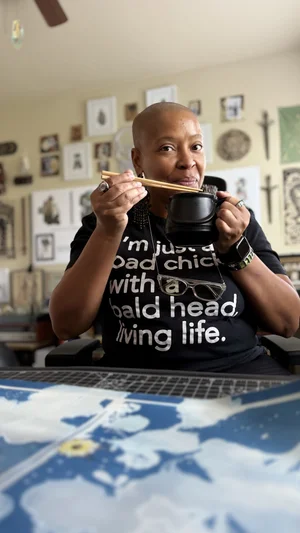
Hellah Horrah Presents: Ghostbusters
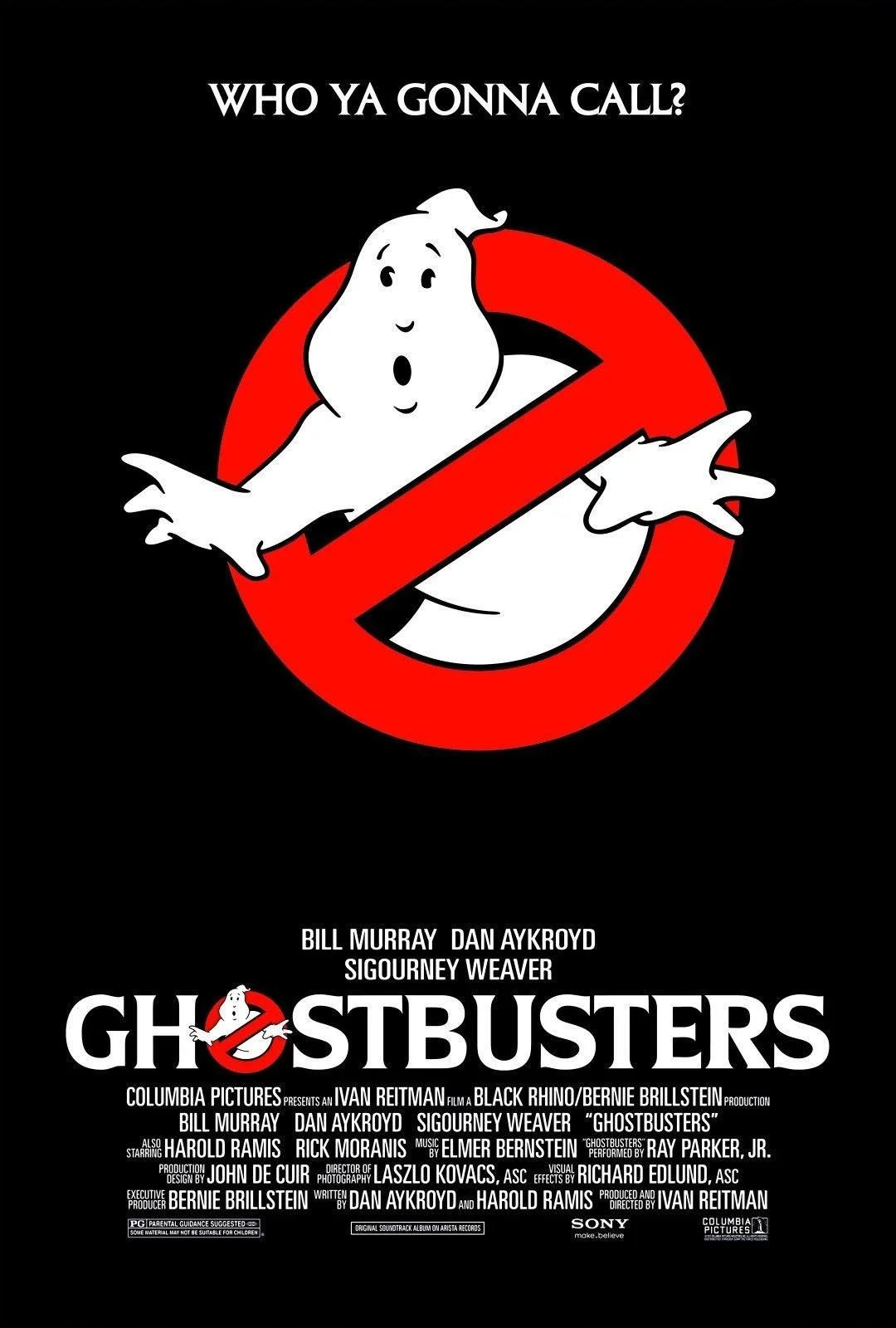
Who You Gonna Call?
(Besides Me, Obviously)
Booooo-ha-ha-ha, my ghoulish darlings—Hellah Horrah back at it again, floating in on a cloud of ectoplasm and 80’s neon! Tonight’s tale isn’t about bloodied basements or devil-children with unfortunate bangs. No, no, no. This one’s about the film that made me—the very first movie I ever saw in a theater, hand in hand with my mom, dad, and brother: Ghostbusters (1984).
Yes, my darklings, before the gore, before the gothic, before Damien, there was Slimer. And let me tell you—he slimed my heart and never let go.
Comfort Horror with a Side of Comedy
Most horror films I love sneak into your nightmares, but Ghostbusters barged in with proton packs, cracked jokes, and crossed the streams. It was my comfort movie then and remains my comfort movie now. (Confession: I still watch it multiple times a month. Some people go to therapy. I go to Zuul.)
Why? Because it’s the perfect cocktail: a splash of haunted-house dread, a twist of apocalypse, a double pour of New York attitude, all shaken with belly laughs until the glass rattles. Ghosts may shriek, but Bill Murray shrieks louder. Demons may rise, but Harold Ramis deadpans them back down. And Ernie Hudson? He’s the everyman anchor reminding us that ghostbusting is still a job—with overtime, risk of possession, and no health insurance.
The Real Ghostbusters (Cartoon Afterlife)
And when the lights of the theater dimmed, guess what? The afterlife continued every Saturday morning. The Real Ghostbusters cartoon was a ritual. That’s when my brother and I stopped just watching ghosts and started hunting them—in the living room, in the backyard, in our dreams. (Spoiler: the dog was not amused by the proton pack made of couch cushions.)
The cartoon kept the story alive and proved something crucial: Ghostbusting isn’t just a film—it’s a franchise of the imagination. It can morph, evolve, haunt in new forms, and still hit that spectral sweet spot.
The Remakes and Resurrections
Now, we know the truth, don’t we? Ghostbusters has been rebooted, remade, regendered, and resummoned more times than a séance gone wrong. And every time the franchise returns, I find myself grinning like Slimer at an all-you-can-eat buffet. Not because every reboot is perfect (they’re not), but because it means the story keeps going. The ghosts keep haunting, the packs keep charging, and the fans (that’s us, boo!) keep showing up with popcorn.
Because Ghostbusters isn’t just a film. It’s an invitation: to laugh at the darkness, to dance with fear, to remind yourself that even when the walls ooze slime, you can call your friends, fire up the gadgets, and fight back with wit.
Why It’s My Forever Film
I’ve said it before: horror isn’t just what scares me—it’s what saves me. Ghostbusters was my first taste of that magic: sitting beside my family, sharing laughter and gasps in equal measure, realizing that ghosts aren’t just to be feared—they’re to be understood, tamed, even befriended.
This is the movie that made me a horror fan. My comfort blanket is stitched from proton beams. My safe place has a firehouse pole in the middle. And my eternal rewatch list begins and ends with the Ghostbusters theme song echoing like a hymn.
So as the remakes roll in and the franchise wanders into new directions, remember this: the ghosts change, but the call stays the same. You know the number. You know the chant. Who you gonna call?
—Hellah Horrah 👻🖤
And remember: horror is closer than you think… sometimes it’s in a jumpsuit with your name stitched on the chest.