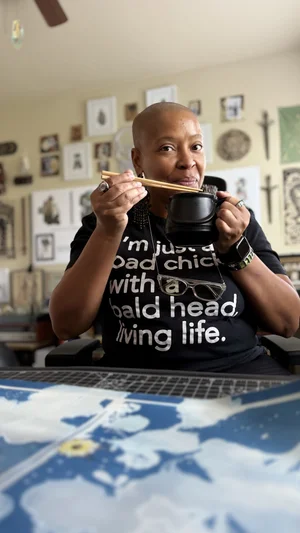
Hellah Horrah Presents: SINNERS
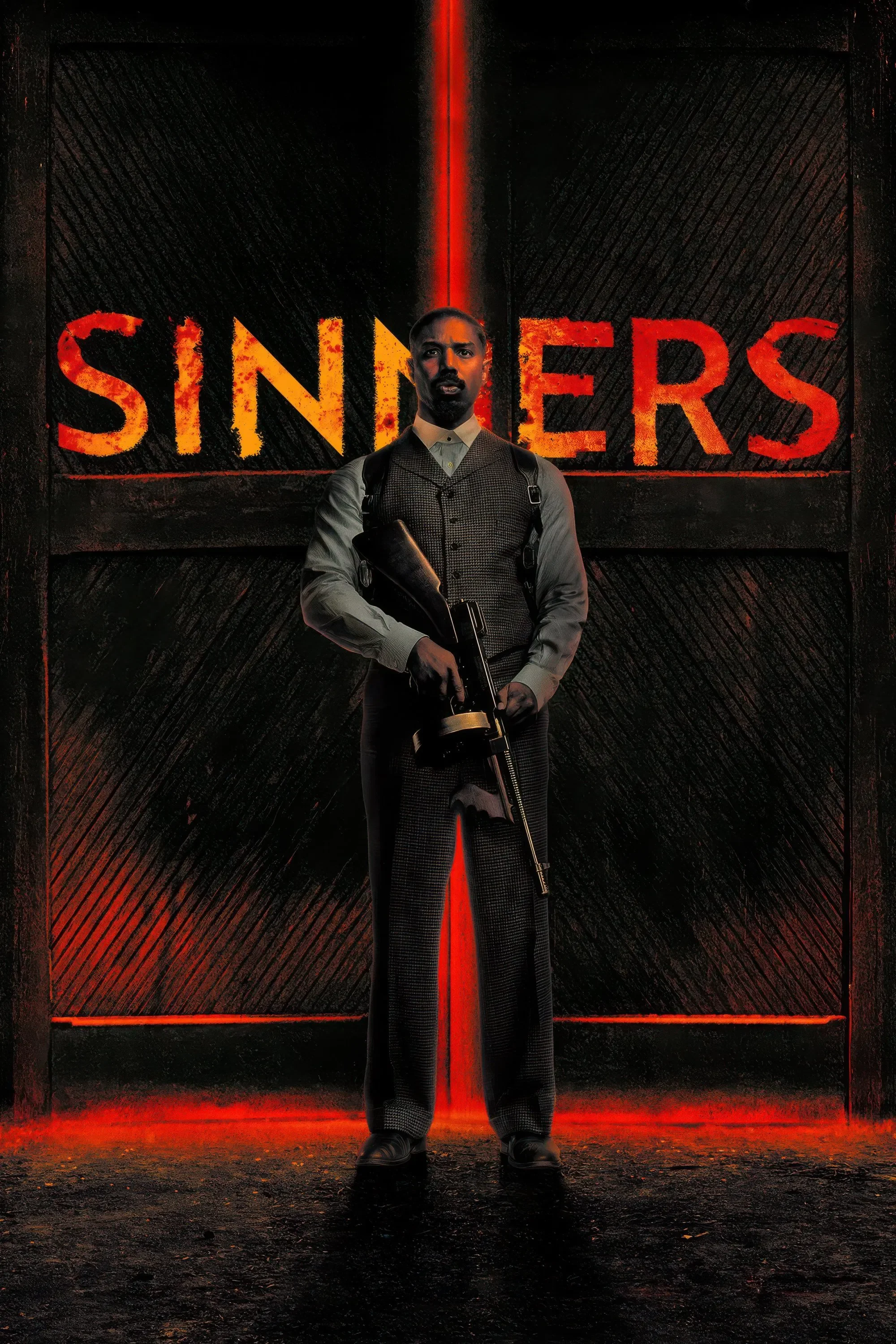
Twin Shadows, Southern Roots, and the Art of …Damnation
And let me tell you—it does not just arrive, it descends. Like a storm over a porch-lit summer night in the South, thick with cicadas and secrets.
Boooo-ha-ha-ha, my beloved creatures of the night. Hellah Horrah returns, fangs sharpened, gown pressed, heart pounding—because at long last we arrive at the first great climax of this haunted hall of blogs: Sinners. The most anticipated, most whispered-about, most fully-delivered horror film of the year.
Twins, Terrors, and Ancestral Mirrors
I admit it: I’ve always been obsessed with twins. They haunt my family tree like gothic punctuation marks—echoes, repetitions, shadows that confirm and unsettle at once. My great-aunt swore twins came as a blessing. My cousin believed they were a warning. Sinners makes both true. The twin protagonists stand as mirror and foil, doubling each other’s beauty, doubling each other’s dread. Watching them, I saw not just siblings—but the way families carry their burdens in stereo.
The South knows about doubling. It’s a place where the land is fertile and cursed, where magnolias bloom while shadows stretch across cotton fields, where Sunday sermons clash with midnight whispers. Generations of my blood walked those dirt roads, pressed those prayers into cracked church pews. Sinners doesn’t shy away—it drags those histories to the surface, polished in moonlight and dripping with sweat.
Horror as Collage, Cinema as Canvas
You know my artwork—collages layered with history, manipulated photographs, ancestral fragments rearranged into new hauntings. Sinners plays like one of my pieces unpinned and set in motion. It cuts and pastes Southern gothic imagery: the empty shack, the baptismal river, the kitchen knife waiting on a warped table. But the genius? Each image reframes itself as you look longer. A doorway isn’t just a doorway—it’s an exit, an entrance, and a tomb all at once.
Every rewatch reveals new stitches in its patchwork: shadows where there should be none, reflections that don’t line up, whispers woven into the cicada hum. Just as I layer fabric, clay, and photo negatives into a single work, Sinners layers dread, myth, and bloodline until the seams themselves feel alive.
Why This One Matters
Horror, when it is true, doesn’t just scare—it indicts. It points a crooked finger at us, saying, “You know these ghosts. They belong to you.” And oh, does Sinners deliver that accusation. Its twins are not just characters—they are invitations: to face what’s inherited, to reckon with what’s buried, to remember that even beauty casts a shadow, and sometimes the shadow wins.
It is rare that a horror film feels like kin. This one does. It echoes my family’s tangled Southern roots, my fascination with duality, and my relentless compulsion to make art from the fragments left behind. It’s not just cinema—it’s a séance with your bloodline.
Come Back, Again and Again
So yes, my darklings, Sinners is the film of the year. Not because it screams the loudest, but because it whispers the longest. It lingers like humidity in July. It clings like memory. And every time you return, it greets you with a new omen.
So don’t wander off just yet. We’ve only begun this journey together, my pretties. And remember: horror is not just in the theater. It’s in your family albums, your kitchen tables, your Sunday prayers.
—Hellah Horrah 👻🖤
And remember: horror is closer than you think…